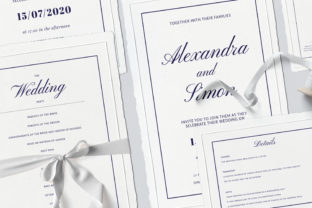
This is an Invitation Wedding Template Suite: A Complete Design Package
Planning a wedding involves a thousand details, but few things set the tone for your celebration quite like the invitation suite. It's the first tangible hint guests receive about the style, mood, and formality of your event. Creating a cohesive set of stationery from scratch, however, can be a daunting task, especially for those without a background in graphic design. This is where a well-crafted template suite becomes an invaluable asset, transforming a complex design process into a streamlined, creative experience.
The Anatomy of a Cohesive Wedding Stationery Set
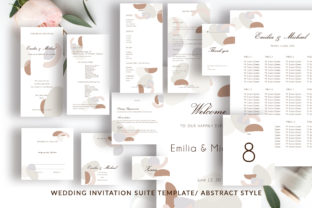
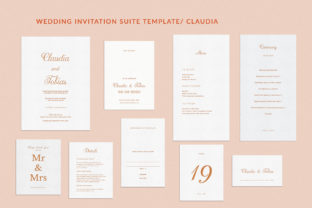
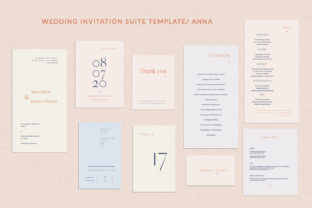
A wedding invitation is rarely just a single card. It's a family of documents that guide your guests from the initial save-the-date to the thank-you note after the celebration. The strength of the This is an Invitation Wedding Template Suite lies in its comprehensive nature. It provides a unified design language across every necessary piece, ensuring visual harmony. The package includes the core components: the main wedding invitation, a save-the-date announcement, an RSVP card, and a directions/info card. But it goes further, offering matching pieces for the day-of event itself: table numbers, escort cards, menu cards, ceremony programs, and even a welcome poster. This level of detail ensures that from the mailbox to the reception table, every touchpoint feels intentionally designed and connected.
For a small business owner or a designer taking on a client project, having this full suite eliminates the guesswork. You aren't piecing together elements from different sources, hoping the styles align. Instead, you're working within a pre-established brand identity for the event, which is the exact principle that drives successful visual communication in marketing and branding.
Modern Minimalism Meets Classic Elegance
The design philosophy behind this suite is a careful balance. It champions a modern minimal layout, which translates to clean lines, ample white space, and a focus on essential information. Yet, it retains a classic & elegant sensibility. This is achieved through thoughtful typographic choices, refined spacing, and a restrained color palette. The result is a design that feels contemporary and fresh, without being trendy in a way that might date quickly. It speaks to a sophisticated taste level, making it suitable for a wide range of wedding styles, from a sleek city loft affair to a refined garden party.
This balance is crucial for visual consistency. A minimal design framework is incredibly versatile. It allows the content—the names, the dates, the personal details—to take center stage. The elegance isn't shouted through ornate flourishes but is communicated through proportion, quality, and restraint. For anyone involved in editorial design or creating digital products, this principle is fundamental: the design should enhance the message, not compete with it.
Practicality for the Modern Creator
Beyond its aesthetic appeal, the suite is built for practicality. Delivered as 10 PSD (Photoshop) files, it's designed for easy customization. The layers are logically arranged, and the text, colors, and fonts are fully editable. This is a significant advantage for content creators, crafters, and hobbyists who may have foundational software skills but aren't professional graphic designers. You can adjust the color scheme to match a specific wedding palette, swap out fonts to better reflect the couple's personality, and, most importantly, input all the unique event details with ease.
The technical specifications are also professional-grade: CMYK color mode for reliable print output, 300dpi resolution for sharp imagery, and standard bleed settings. This removes the technical barriers that often frustrate those trying to produce their own print materials. Whether you're creating a set for your own wedding or designing for a client, these built-in specifications ensure the final product will look polished and professional when sent to the printer.
Applications Beyond the Wedding Day
While the primary purpose is wedding stationery, the underlying design assets have a much broader utility. The classic style elegant wedding invitation design, with its clean typography and structured layout, serves as an excellent foundation for other projects. Consider these applications:
- Branding & Logo Design: The typographic principles and layout grids can inspire logos and brand collateral for businesses that value sophistication and clarity, such as boutique hotels, consulting firms, or high-end service providers.
- Packaging Design: The minimalist approach is ideal for luxury product packaging, where a clean label and elegant typography convey quality and premium value.
- Social Media Graphics: The suite's components can be adapted to create cohesive Instagram stories, Facebook event headers, or Pinterest pins that maintain the elegant, minimal aesthetic for consistent social media graphics.
- Websites & Blogs: The design's emphasis on readability and visual hierarchy provides a great model for web design, particularly for portfolio sites, online boutiques, or editorial blogs that prioritize clean presentation.
- Marketing Assets: Elements of the design can be repurposed for print materials like business cards, thank you notes for customers, or promotional posters, ensuring all customer touchpoints are visually aligned.
This versatility makes the suite more than a single-use product; it's a collection of design assets that can inform and enhance a variety of creative endeavors, reinforcing the importance of a consistent visual identity.
Making It Your Own: Tips for Customization
To get the most out of a template like this, a thoughtful approach to customization is key. Start by defining a clear color palette—typically two to three colors maximum for a minimal look. Use the PSD layers to change background colors, text colors, and accent elements consistently across all files.
Typography is where you can inject significant personality. While the template comes with recommended font pairings, you have the freedom to experiment. A good rule of thumb is to pair a clean, readable sans serif font for body text with a more distinctive serif font or a subtle script font for headings and names. Always prioritize readability, especially for critical information like dates, times, and addresses. Print a test copy at home to check how the fonts and colors look on paper before committing to a professional print run.
Finally, remember the licensing. The template is intended for the creation of the final wedding stationery. If you are a designer using it for a client project, ensure you understand the terms. If you plan to use the design elements for broader commercial purposes, like creating and selling a new line of merchandise or digital products, you would need to verify that the license permits such use or seek out a separate commercial font license for any typefaces you incorporate.
In essence, this invitation pack template does more than just provide files; it offers a structured pathway to creating beautiful, professional stationery. It democratizes good design, allowing individuals and businesses to produce materials that reflect care, attention to detail, and a refined aesthetic sense—qualities that resonate in any personal or professional context.